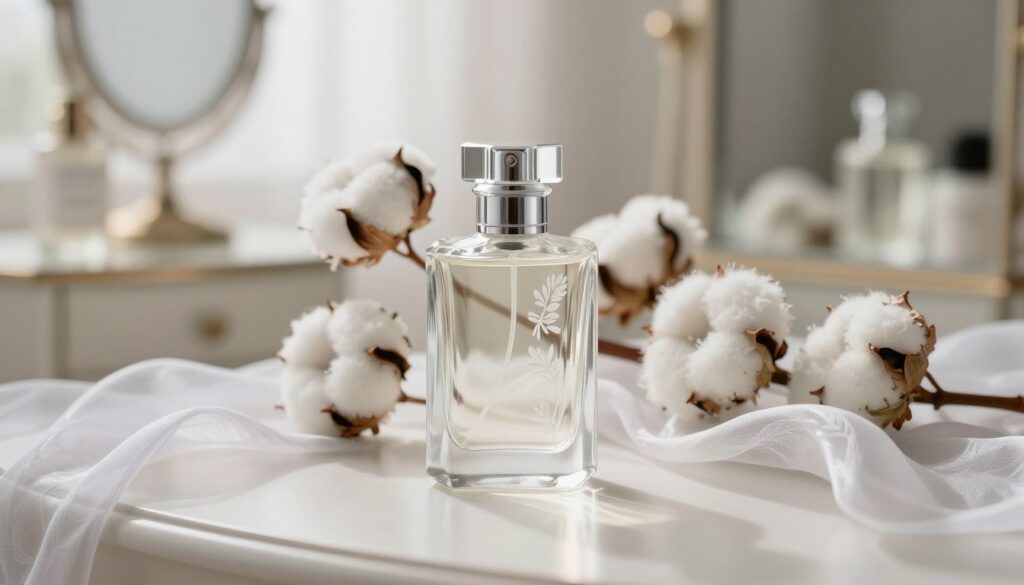
Have you ever wondered why a simple perfume bottle perfume container can cost anywhere from a few cents to hundreds of dollars? The vessel that holds your favorite fragrance is far more than just packaging—it’s an art form, a marketing tool, and a crucial element in preserving the precious liquid inside.
Whether you’re a perfume enthusiast looking to transfer your signature scent into a beautiful bottle, a business owner sourcing fragrance bottles wholesale, or simply curious about the world of perfume packaging, understanding perfume bottles is essential. From the intricate craftsmanship of luxury brands to practical empty perfume bottles for everyday use, these containers tell stories of chemistry, design, and consumer psychology.
In this comprehensive guide, you’ll discover the types of perfume bottles available, how to choose the right one for your needs, where to source quality containers, and expert tips for preservation and presentation. We’ll explore everything from standard 100ml perfume bottle sizes to custom fragrance bottles that make your brand stand out.
Ready to dive into the fascinating world of perfume containers? Explore our extensive perfume reviews to see how packaging influences fragrance perception.
Understanding Perfume Bottle Design and Purpose
The Anatomy of a Perfume Bottle
Every perfume glass bottle consists of several key components that work together to protect and dispense the fragrance. The body holds the liquid and comes in countless shapes and sizes. The neck connects to the spray mechanism or stopper, while the base provides stability. Understanding these elements helps you choose the right container for your needs.
The spray mechanism itself deserves special attention. Quality atomizers create a fine mist that distributes fragrance evenly without waste. Cheaper versions may produce uneven spray patterns or leak over time. When selecting empty perfume bottles, always test the spray function if possible.
The cap or stopper serves both functional and aesthetic purposes. It prevents evaporation, protects the spray mechanism, and completes the bottle’s visual appeal. Luxury brands often invest heavily in cap design, creating miniature sculptures that reflect their brand identity.
Why Bottle Design Matters
The shape and material of your perfume bottle perfume container directly impact fragrance preservation. Glass remains the gold standard because it’s inert, doesn’t react with fragrance oils, and provides excellent protection from light when tinted or coated. Plastic alternatives exist but may affect scent quality over time.
Bottle design also influences how consumers perceive fragrance value. Research shows that heavier bottles with complex designs are associated with luxury and higher quality, even when the fragrance inside is identical. This psychological factor explains why premium brands invest millions in bottle development.
From a practical standpoint, bottle shape affects usability. Wide bases prevent tipping, while ergonomic designs fit comfortably in hand. Consider your intended use when choosing between decorative pieces and functional everyday bottles.
Common Bottle Sizes and Their Uses
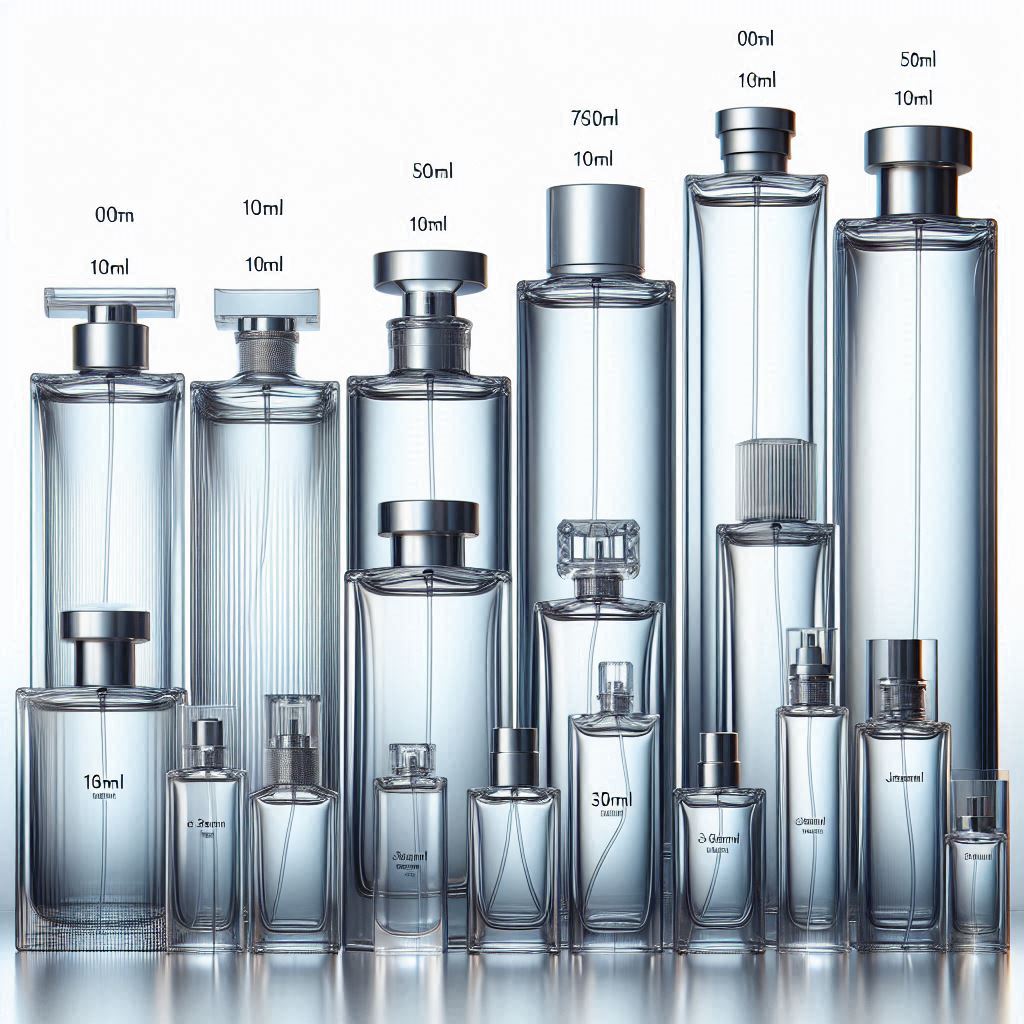
The 100ml perfume bottle represents the sweet spot for most consumers—large enough to last months but not so big it risks going stale before use. This size typically offers the best value per milliliter and works well for signature scents you wear regularly.
Smaller sizes like 30ml or 50ml suit travel, testing new fragrances, or seasonal scents you rotate throughout the year. They’re also ideal for expensive perfumes where a little goes a long way. Many collectors prefer these sizes for building diverse fragrance wardrobes without breaking the bank.
Miniature bottles under 15ml serve as samples, gifts, or purse companions. While convenient, they typically cost more per milliliter and may lack the sophisticated spray mechanisms of larger bottles. Reserve these for special occasions or truly unique fragrances worth the premium.
Types of Perfume Bottles Available
Empty Perfume Bottles for Personal Use
Empty perfume bottles have surged in popularity among fragrance enthusiasts who want to decant, travel with, or preserve their favorite scents. These containers come in various materials, with glass being most popular for its neutrality and durability. Quality empty bottles feature airtight seals that prevent oxidation and evaporation.
When shopping for empty containers, prioritize those with refillable atomizers. These allow easy transfer from original bottles without waste. Look for funnel sets included with purchase, as these tools make the refilling process cleaner and more efficient.
Decorative empty bottles serve double duty as both functional containers and display pieces. Vintage-inspired designs, colored glass, and ornate metalwork appeal to collectors who appreciate perfume as an art form. These investment pieces often become conversation starters while serving practical purposes.
Fragrance Bottles Wholesale for Businesses
Sourcing fragrance bottles wholesale makes financial sense for anyone launching a perfume line or selling fragrances in volume. Wholesale suppliers offer significant price breaks compared to retail, with discounts increasing as order quantities grow. This approach allows small businesses to maintain healthy margins while offering competitive pricing.
Quality wholesale suppliers provide minimum order quantity (MOQ) options ranging from 100 to 1,000 units depending on the bottle style. Standard designs typically have lower MOQs, while custom shapes may require larger commitments. Always request samples before placing large orders to verify quality meets your standards.
Establishing relationships with reliable wholesale partners ensures consistent supply and quality. Look for suppliers with experience in the fragrance industry who understand preservation requirements and shipping challenges. Many offer customization services like screen printing, embossing, or custom caps at reasonable additional costs.
Custom Fragrance Bottles That Stand Out
Custom fragrance bottles transform your perfume from product to brand statement. These bespoke containers communicate your values, target audience, and unique positioning in the market. From shape to color to texture, every element can be tailored to create something truly distinctive.
The customization process typically begins with bottle shape selection or complete custom mold creation. Stock shapes with custom colors or finishes offer faster turnaround and lower costs. Fully custom molds provide unlimited creative freedom but require higher minimum orders and longer lead times, often 8-12 weeks.
Consider how custom elements support your brand story. Eco-conscious brands might choose recycled glass with minimalist designs. Luxury lines could opt for heavy crystal with intricate cutting. Youthful brands might embrace bold colors and unconventional shapes. Your bottle should visually communicate what makes your fragrance special before anyone experiences the scent.
Choosing the Right Perfume Bottle for Your Needs
Factors to Consider When Selecting Bottles
Material choice significantly impacts both aesthetics and function. Glass perfume bottles offer superior fragrance preservation and premium feel but add weight and fragility. High-quality plastics like PET provide durability and portability but may not convey the same luxury impression. Consider your target market and use case when deciding.
Size selection depends on fragrance concentration and intended usage frequency. Eau de parfums lasting 6-8 hours work well in 50-100ml bottles for daily wear. Lighter eau de toilettes suit larger bottles since you’ll apply more generously. Travel sizes should never exceed 100ml due to airport restrictions.
Spray mechanisms vary dramatically in quality and performance. Premium atomizers produce consistent, fine mists that distribute fragrance evenly on skin. Test spray patterns when possible—it should create a cone-shaped mist, not a direct stream. Poor atomizers waste product and create uneven application.
Quality Indicators in Perfume Bottles
Weight often correlates with quality, especially in glass bottles. Substantial bottles suggest thicker glass less prone to breakage and better at protecting contents from temperature fluctuations. However, excessive weight becomes impractical for everyday use, so find balance based on your needs.
Examine seals and closures carefully. Quality bottles feature tight-fitting caps that create airtight seals when closed. Test by gently trying to wobble the cap—minimal movement indicates good seal quality. Loose or poorly fitting caps allow air exposure that degrades fragrance over time.
Check for manufacturing defects like bubbles in glass, uneven thickness, or rough edges. These flaws suggest quality control issues that might extend to spray mechanisms or seals. Reputable sellers typically stand behind their products with satisfaction guarantees.
Budget Considerations and Value
Price ranges for perfume bottles span from under $1 for basic empty containers to $50+ for luxury custom pieces. Determine your budget based on intended use—collector bottles justify higher investment, while business inventory requires cost-effectiveness balanced with quality.
Buying in bulk through fragrance bottles wholesale channels dramatically reduces per-unit costs. A 100ml perfume bottle that retails for $5-10 individually might cost $1-3 in quantities of 500 or more. This pricing structure makes wholesale essential for businesses but also benefits enthusiasts who split orders with friends.
Consider total cost of ownership beyond purchase price. Quality bottles last years with proper care, while cheap alternatives may fail quickly, requiring replacement. Factor in potential fragrance loss from poor seals when calculating true value. Sometimes spending more initially saves money long-term.
For expert insights on how bottle quality affects fragrance longevity, check out our detailed analysis in the About Us section.
Where to Source Quality Perfume Bottles
Online Wholesale Suppliers
Major wholesale platforms like Alibaba and Global Sources connect buyers with manufacturers worldwide, primarily in China where most perfume bottles are produced. These platforms offer the widest selection and lowest prices but require careful vetting of suppliers. Always request samples, check certifications, and read reviews from verified buyers.
Specialized packaging wholesalers like SKS Bottle & Packaging or Berlin Packaging focus specifically on container solutions. They typically maintain US-based inventory for faster shipping and easier returns. While prices run higher than direct-from-manufacturer, the convenience and reliability often justify the premium.
Amazon Business and similar platforms now offer wholesale pricing tiers for qualified business accounts. This option works well for smaller orders where traditional wholesale MOQs prove too high. Selection may be limited compared to specialized suppliers, but the familiar purchasing process reduces risk.
Local and Regional Distributors
Regional packaging distributors maintain relationships with multiple manufacturers, offering curated selections of proven quality products. They understand local market preferences and can provide valuable guidance for businesses new to fragrance packaging. Personal relationships with sales representatives often lead to better pricing and priority service.
Trade shows and industry events provide opportunities to examine products in person before ordering. Events like Luxe Pack showcase the latest innovations in perfume packaging. Many suppliers offer show-exclusive pricing and flexible terms to capture new business.
Local bottle suppliers may cost more per unit but offer advantages for small businesses and hobbyists. Lower minimum orders, immediate availability, and easier returns make them ideal for testing products or filling urgent needs. Building local relationships also supports your community’s business ecosystem.
Direct from Manufacturers
Purchasing directly from bottle manufacturers delivers the lowest possible pricing but requires higher order volumes and longer lead times. This approach makes sense for established brands with predictable demand and storage capacity. Most manufacturers require MOQs of 5,000-10,000 units for standard designs.
Custom tooling through manufacturers enables truly unique bottle designs unavailable elsewhere. Expect to invest $3,000-15,000 in mold development depending on complexity. This investment pays off when your distinctive packaging becomes a recognizable brand asset that differentiates you from competitors.
Quality control becomes your responsibility when working directly with manufacturers. Establish clear specifications, request pre-production samples, and consider third-party inspection services. According to the International Organization for Standardization (ISO), proper quality agreements reduce defect rates by up to 60% compared to orders without formal specifications.
🔬 Perfume Bottle Materials and Their Properties
Glass: The Gold Standard
Glass perfume bottles remain the preferred choice for serious fragrance enthusiasts and premium brands. The material is completely inert, meaning it won’t react with fragrance compounds or alter scent profiles over time. This stability makes glass essential for preserving complex compositions with multiple notes.
Different glass types offer varying benefits. Soda-lime glass, the most common type, provides good clarity and reasonable durability at affordable prices. Lead crystal contains lead oxide that creates exceptional brilliance and weight, perfect for luxury presentations. Borosilicate glass resists thermal shock, making it ideal for fragrances stored in varying temperatures.
Colored glass adds another layer of protection by filtering harmful UV rays that break down fragrance molecules. Amber and cobalt blue offer maximum light protection while maintaining visual appeal. Clear glass showcases the perfume’s color but requires storage away from direct sunlight to maintain quality.
Alternative Materials Worth Considering
High-quality plastics like PET (polyethylene terephthalate) and HDPE (high-density polyethylene) offer durability advantages for travel or active lifestyles. These materials resist shattering while maintaining reasonable fragrance preservation for shorter-term storage. However, they’re not suitable for long-term archival of expensive perfumes.
Metal atomizers, particularly aluminum, protect fragrance from light exposure completely. Many premium brands use aluminum for travel sprays and samples. The material is lightweight, durable, and recyclable. Some users report metallic notes developing in fragrances stored long-term in aluminum, though this remains debated among experts.
Ceramic and porcelain bottles appeal to collectors seeking unique decorative pieces. While these materials don’t interact with fragrance, they’re opaque, making it impossible to see remaining liquid levels. They’re also fragile and typically more expensive than glass alternatives.
Environmental Considerations
Glass boasts excellent recyclability, with most recycling programs accepting perfume bottles after thorough cleaning. The material can be recycled indefinitely without quality degradation. However, glass production is energy-intensive, and transportation costs rise due to weight.
Recycled glass bottles reduce environmental impact by requiring 40% less energy to produce compared to virgin glass, according to the Glass Packaging Institute. Many suppliers now offer bottles made from 25-100% recycled content at comparable prices to virgin glass options.
Sustainable packaging extends beyond material choice to include bottle lifespan. Refillable designs reduce waste by allowing consumers to reuse attractive bottles multiple times. Some brands now offer refill programs where customers return empty bottles for discounted refills, creating circular economy models that benefit both environment and bottom line.
Business Applications: Launching Your Fragrance Line
Creating Your Brand Identity Through Packaging
Your perfume bottle perfume packaging serves as your brand’s first impression and primary marketing tool. Before customers smell your fragrance, they judge it by its container. This makes bottle selection one of your most important brand decisions. Consider how shape, color, and materials communicate your values and target market.
Consistency across product lines creates brand recognition and perceived quality. Establish design guidelines that allow variation while maintaining core identity elements. Perhaps all your bottles share a distinctive cap style or glass treatment. These signature details help customers instantly identify your products on crowded shelves.
Packaging should reflect your fragrance’s personality. Fresh citrus scents suit clean, minimalist designs with light colors. Rich oriental fragrances pair well with ornate bottles in deep jewel tones. Misalignment between scent and packaging creates cognitive dissonance that undermines purchasing decisions.
Budgeting for Bottle Inventory
Packaging typically represents 15-30% of finished perfume product costs for small brands. This significant expense requires careful planning and cash flow management. Factor in not just bottle costs but also caps, atomizers, boxes, and any decorative elements like ribbons or tags.
Starting with lower MOQs from fragrance bottles wholesale suppliers helps manage initial risk while you establish market demand. Accept slightly higher per-unit costs in exchange for flexibility. As sales grow, transition to larger orders that improve margins. Most successful brands renegotiate supplier contracts every 12-18 months as volumes increase.
Consider keeping safety stock equal to 2-3 months of projected sales to prevent stockouts during production delays. However, avoid over-ordering custom bottles with significant MOQs until demand is proven. Standard bottles can be reordered quickly, while custom molds require 8-12 week lead times.
Logistics and Fulfillment Considerations
Fragile glass bottles require specialized packaging and handling throughout your supply chain. Factor shipping materials like bubble wrap, dividers, and reinforced boxes into your cost calculations. Most shipping carriers charge dimensional weight for bulky packages, potentially making small bottle shipments expensive.
Storage requirements for glass inventory include climate-controlled space to prevent thermal stress and organized systems to minimize handling damage. Stack pallets carefully, never more than 5-6 high depending on bottle weight. Implement inventory rotation systems to use older stock first and prevent long-term storage issues.
International shipping of perfume-filled bottles faces restrictions due to alcohol content classification as hazardous materials. Empty bottles ship without these limitations but still require careful packaging. Work with freight forwarders experienced in cosmetics and fragrance industries to navigate regulations efficiently.
🎓 Expert Tips for Perfume Bottle Care and Maintenance
Proper Storage Techniques
Temperature stability matters more than specific temperature when storing perfume in bottles. Aim for consistent conditions between 60-70°F (15-21°C). Frequent temperature swings cause expansion and contraction that stresses seals and accelerates oxidation. Avoid storing near windows, heating vents, or in bathrooms where humidity and temperature fluctuate.
Light exposure, especially UV radiation, breaks down fragrance molecules and causes discoloration. Store your perfume bottle perfume containers in original boxes, drawers, or cabinets away from direct sunlight. If displaying bottles, choose locations with minimal natural light or use UV-filtering glass in display cases.
Position bottles upright rather than on their sides. This orientation minimizes liquid contact with the atomizer mechanism and reduces seal stress. It also prevents potential leaks if seals weaken over time. Exceptions include vintage bottles with cork stoppers, which should store sideways to keep corks moistened.
Cleaning and Refilling Empty Bottles
Thoroughly clean empty perfume bottles before refilling to prevent scent contamination. Remove atomizers and rinse bottles with isopropyl alcohol, which evaporates completely without residue. Avoid water, which can leave mineral deposits and takes longer to dry fully.
For stubborn fragrance residue, fill bottles halfway with vodka or rubbing alcohol, cap tightly, and shake vigorously. Let sit 30 minutes, then pour out and rinse with fresh alcohol. Repeat if necessary. Allow bottles to air dry completely upside down for 24 hours before refilling.
When transferring fragrance, use a small funnel to minimize spills and air exposure. Work quickly but carefully to preserve the perfume’s integrity. Fill bottles to about 90% capacity, leaving space for thermal expansion. Replace caps immediately after filling to minimize evaporation.
Recognizing When Bottles Need Replacement
Perfume bottles don’t last forever, even with proper care. Replace bottles when atomizers begin producing inconsistent spray patterns, streams instead of mist, or require multiple pumps to dispense product. These symptoms indicate mechanism failure that wastes fragrance and creates poor user experience.
Inspect seals regularly for cracks, brittleness, or gaps that allow air infiltration. Even high-quality seals degrade over 3-5 years, especially with frequent opening. Compromised seals accelerate oxidation that turns fragrances cloudy, darkened, or sour-smelling.
Glass chips, cracks, or scratches beyond surface level warrant immediate replacement for safety reasons. Weakened glass may shatter during use, creating injury risk. Even minor damage can become stress points that lead to catastrophic failure. When in doubt, retire damaged bottles to display-only status.
Conclusion
Understanding perfume bottle perfume containers transforms how you buy, use, and appreciate fragrances. From selecting the perfect 100ml perfume bottle for daily use to sourcing fragrance bottles wholesale for your business, knowledge about materials, designs, and quality indicators empowers better decisions.
Quality bottles protect your investment in precious fragrances while expressing personal style or brand identity. Whether choosing elegant glass perfume bottles for your collection, functional empty perfume bottles for travel, or distinctive custom fragrance bottles for your product line, the right container makes all the difference.
Remember these key principles: prioritize glass for long-term storage, verify seal quality before purchasing, consider total cost beyond initial price, and store properly to maximize fragrance lifespan. The bottle isn’t just packaging—it’s an essential component of the complete perfume experience.
Ready to elevate your fragrance game with the perfect bottles? Start exploring options today, and don’t hesitate to invest in quality containers that protect and showcase your precious scents. Your nose—and your wallet—will thank you.
Explore our comprehensive fragrance reviews and guides to make informed decisions about both scents and their containers. Subscribe to our newsletter for expert tips, industry insights, and exclusive recommendations delivered monthly.
Frequently Asked Questions
How long do perfumes last in glass bottles? Properly stored perfumes in quality glass bottles maintain optimal quality for 3-5 years after opening, or up to 10 years unopened. Factors affecting longevity include storage temperature, light exposure, and seal quality.
Can I reuse empty perfume bottles? Yes, empty perfume bottles are reusable after thorough cleaning with isopropyl alcohol. Ensure atomizers function properly and seals remain intact. Reusing bottles is eco-friendly and cost-effective for decanting or traveling with favorite scents.
What’s the best bottle size for travel? Travel-size bottles under 100ml comply with TSA regulations for carry-on luggage. The ideal range is 10-30ml—large enough for trips but small enough to minimize loss if confiscated. Invest in quality atomizers to prevent leaks.
Where can businesses find affordable fragrance bottles wholesale? Reputable wholesale sources include Alibaba for direct manufacturer access, specialized packaging distributors like SKS Bottle, and regional suppliers. Compare pricing across multiple suppliers, request samples, and verify minimum order quantities before committing.
Do perfume bottles affect fragrance quality? Yes, significantly. Glass bottles provide superior preservation by preventing chemical reactions and light damage. Poor-quality seals allow oxidation that alters scent profiles. Bottle choice directly impacts how long fragrances maintain their intended character.